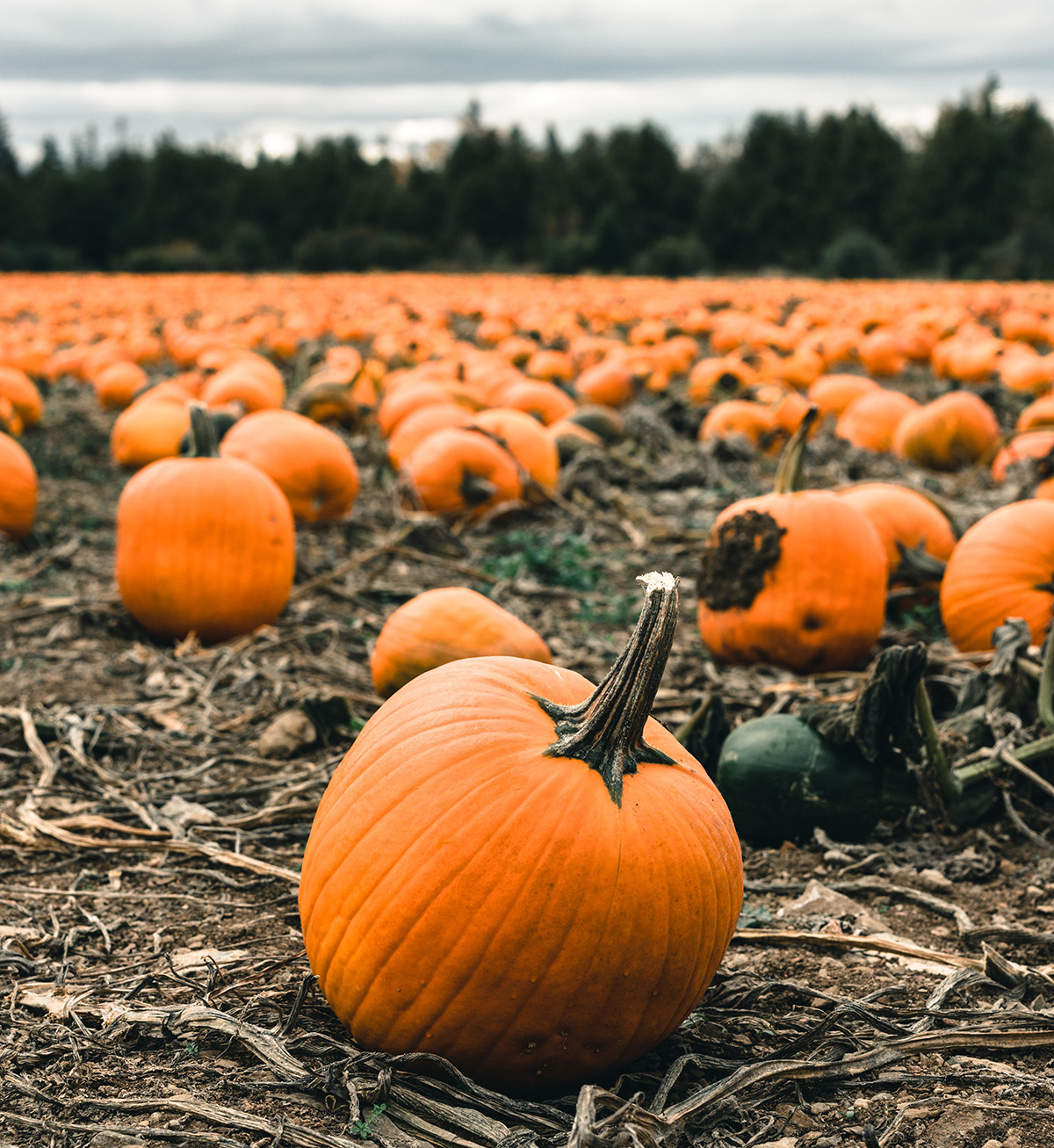
A pumpkin patch visit is one of fall’s simplest pleasures. There is something about walking through rows of bright orange pumpkins, hearing leaves move in the breeze, and choosing the one that feels just right. Whether you are visiting with family, friends, or enjoying a quiet afternoon outdoors, a local pumpkin patch offers more than a seasonal photo opportunity.
It is also a chance to reconnect with where food grows.
For me, outdoor activities are often most meaningful when they create a sense of connection to nature, to community, and to the changing seasons. A pumpkin patch visit can do all three. You can learn a little about how pumpkins grow, support a local farm, gather inspiration for your own fall garden, and bring home something that can become a meal, decoration, or future gardening project.
Plan a Thoughtful Pumpkin Patch Day
Before heading out, check the farm’s website or social-media page for current details. Pumpkin-patch schedules can change because of weather, harvest conditions, school visits, and special fall events.
Look for practical information such as:
- Pick-your-own hours and admission policies.
- Whether hayrides, corn mazes, or farm animals are available.
- Parking and accessibility details.
- Payment options and whether reservations are required.
- Pet policies, especially if you plan to bring a dog.
- Whether the farm sells food, cider, baked goods, or garden supplies.
Some farms offer much more than a field of pumpkins. Depending on the location, you may find hayrides, family activities, seasonal markets, apple picking, farm stands, and corn mazes. For example, Sauchuk Farm in Massachusetts is known for combining pick-your-own pumpkins with seasonal attractions such as hayrides and a corn maze.
Planning ahead gives you more freedom to enjoy the visit once you arrive.
Choose the Right Pumpkin
Picking a pumpkin is part practical decision and part personal preference. A large, round pumpkin may be perfect for carving, while a smaller, smoother variety might work better for painting or displaying on a porch.
If you hope to cook with your pumpkin, ask the farm which varieties are best for baking. Decorative carving pumpkins can be edible, but smaller sugar pumpkins or pie pumpkins often have denser, sweeter flesh that works better for soups, muffins, breads, and roasted pumpkin recipes.
When selecting a pumpkin, look for one that feels firm and heavy for its size. Check for soft spots, deep cracks, or mold around the stem. A sturdy stem is helpful, but avoid carrying the pumpkin by the stem. Support it from underneath or use a wagon if the farm provides one.
Let children choose a pumpkin that feels manageable for them to carry. The biggest pumpkin in the field may be impressive, but a smaller one can be easier to decorate, cook, and enjoy.
Turn the Visit Into a Gardening Lesson
A pumpkin patch can be an easy introduction to fall gardening. As you walk through the field, notice the large leaves, curling vines, blossoms, and different stages of pumpkin growth. Pumpkins are part of the squash family, and they grow from long vines that need plenty of space, sunlight, water, and warm weather.
Ask farm staff whether they offer tours or are willing to answer questions about the growing process. Many farmers enjoy sharing what it takes to bring a crop from seed to harvest.
You can turn the visit into a simple learning activity by asking a few questions:
- How long does it take pumpkins to grow?
- Which pumpkin varieties are grown on the farm?
- How does the farm care for the soil?
- When are pumpkins planted and harvested?
- What happens to leftover pumpkins after the season ends?
These small conversations can make a fall gardening visit feel more meaningful. may leave with a better appreciation for the work behind every field and farm stand.
Bring the Pumpkin Home With Purpose
Once you have chosen your pumpkin, the fun continues at home. A carved pumpkin can become a front-porch decoration, while a pie pumpkin can become a cozy fall meal. Even pumpkin seeds can be washed, seasoned, and roasted for a crunchy snack.
If you are carving a pumpkin, save the seeds. Rinse off the pulp, pat them dry, toss them with a small amount of oil and your favorite seasonings, then roast them until lightly golden. It is an easy way to use more of the pumpkin and reduce waste.
After Halloween, do not send an untreated pumpkin to the landfill if you can avoid it. Remove candles, paint, glitter, and artificial decorations, then compost plain pumpkins at home or check whether your town or local farm accepts them for composting.
Use the Visit for Garden Inspiration
A pumpkin patch can also inspire next year’s garden plans. Take a photo of varieties you like, make notes about colors and shapes, or pick up seeds if the farm offers them. Growing pumpkins at home requires space, but even a small garden can support compact varieties when you choose carefully.
Fall is also an excellent time to think ahead. You can clear garden beds, add compost, plant spring bulbs, and make a simple list of vegetables or flowers you may want to grow next season. Gardening with children can include harvesting, planning, cleaning up beds, and preparing the garden for the months ahead.
Celebrate the Season
The best pumpkin patch activities are not about rushing through every attraction. They are about slowing down enough to enjoy the field, the farm, and the people you are with.
Pick a pumpkin, support local growers, bring home a little inspiration, and let the day become part of your fall tradition. Sometimes the simplest seasonal outing is the one you remember most.