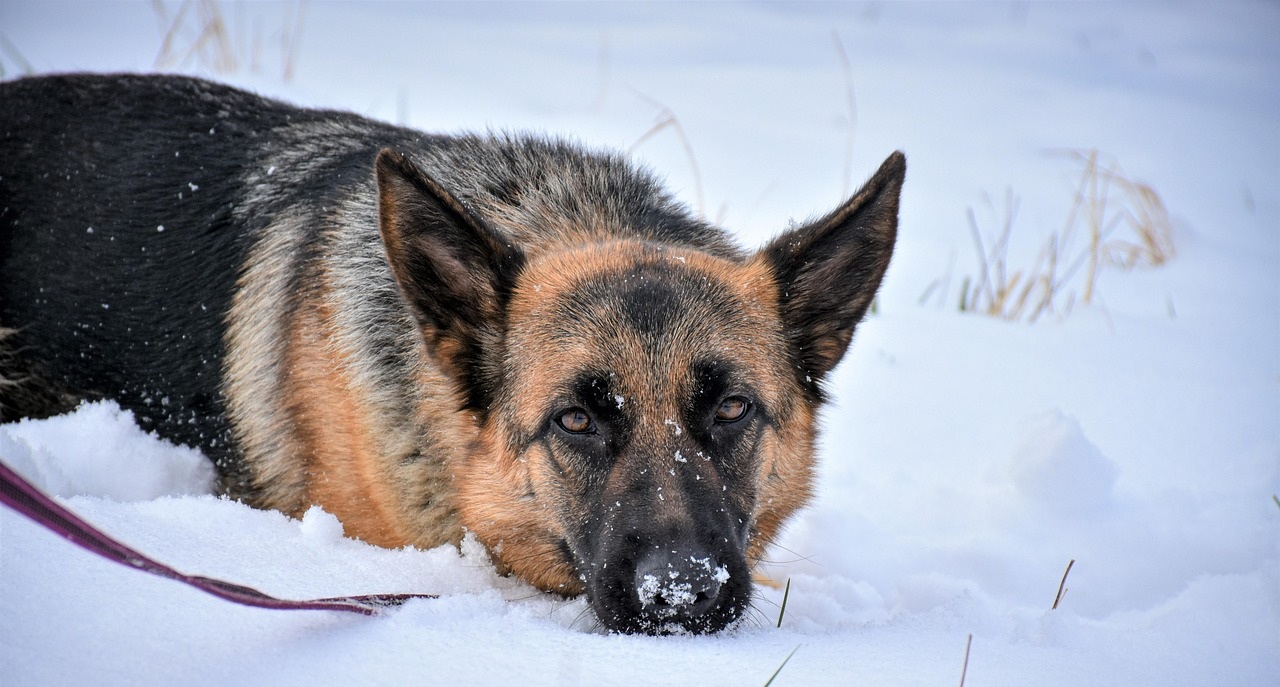
For working breeds like the German Shepherd, the winter months are not a time for passive rest; they are an invitation for invigorating, challenging play. These dogs, renowned for their intelligence, strength, and unwavering focus, thrive on having a job to do—and snow provides the perfect, dynamic obstacle course.
As an advocate for purposeful activity, I believe the secret to mastering the winter slump—in business or with our companions—is to adapt, not retreat. Training German Shepherds for agility in snow is an excellent way to maintain their physical conditioning and mental sharpness, ensuring they stay fit and happy through the cold season.
My approach combines safety, short bursts of high-intensity activity, and strategic equipment use to ensure your German Shepherd is a true winter agility warrior.
1) Safety First: The Foundations of Winter Agility
Before any session, a successful winter agility practice starts with careful preparation. German Shepherds have thick double coats and generally tolerate cold well, but they are still susceptible to cold-weather risks, especially on their most vulnerable assets: their paws and joints.- Protect the Paws: Snow and ice can lead to painful ice balls forming between the pads, and sidewalk salt/brine can cause chemical burns.
- Solution: Invest in well-fitting dog boots for chemical and ice protection, or apply a thick layer of paw balm/wax (like Musher's Secret) to create a barrier. After every session, wash and dry their paws thoroughly.
- The Warm-Up Protocol: Cold muscles are brittle muscles. Just as a golfer stretches before a round, you must warm up your dog's joints and spine. Start with a brisk, leashed walk (10-15 minutes) or some gentle play before introducing obstacles. This reduces the risk of strains and ligament injuries, which larger breeds are more prone to.
2) Adapting the Course: Snow Agility Techniques
You don't need expensive equipment for effective German Shepherd agility training in the snow. Use the environment to your advantage to create unique, stimulating challenges that build core strength and body awareness.- The Snow Mound Climb: Instead of a traditional A-frame, use natural or shoveled snow mounds as climbing obstacles. The unstable surface forces your dog to engage their core muscles, balance, and proprioception (awareness of their body in space) far more intensely than flat ground.
- Tunnel of Fun: If you have an existing agility tunnel, ensure it is anchored well, or use large, sturdy snow banks to line the entrance, making the approach visually stimulating. If you don't have a tunnel, simply creating a winding path through deep snow forces a fun, high-energy weave and jump.
- Weaves and Gates: Use brightly colored poles or cones pushed firmly into the snow to practice weave poles. The snow base provides a consistent grip that can actually improve the dog's confidence in maneuvering. Focus on slow, controlled weaves to encourage precision over speed.
3) The Mental Game: Consistency and Focus
Winter training sessions should be short, intense, and high-value. The cold can sap energy, and the goal is to prevent burnout while maintaining one's mental sharpness.- Keep Sessions Brief: Limit outdoor agility sessions to 10–15 minutes of focused work. This keeps the dog's internal temperature regulated, prevents deep fatigue, and maximizes the dog’s attention span—a true measure of focus.
- High-Value Rewards: Use your dog’s favorite, high-value treats or toys only during these intense winter sessions. This positive reinforcement system ensures the dog associates the cold, challenging work with huge rewards, maintaining a high level of drive and motivation.
- Indoor Mental Work: On days where the weather is genuinely too severe, shift your health and wellness practice indoors. Engage their brilliant minds with scent work (hiding treats under cups or in a snuffle mat) or trick training. Mental stimulation is just as tiring as physical exercise and is vital for preventing "cabin fever" in a high-drive German Shepherd.