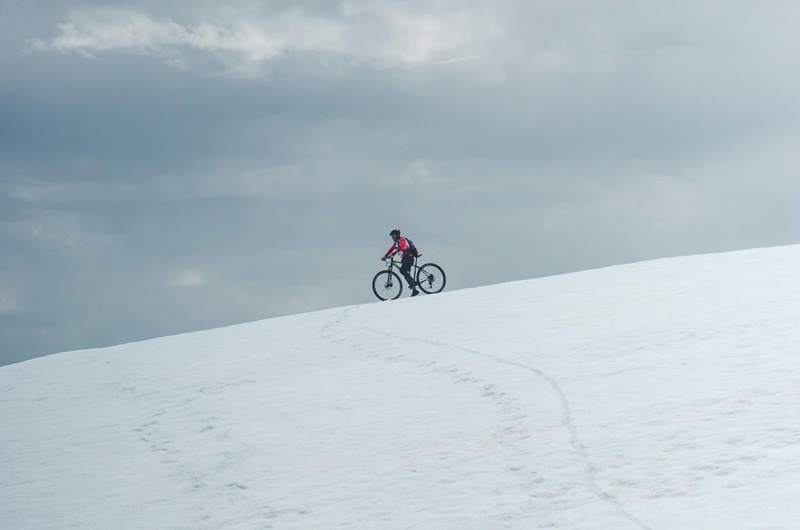
As the winter frost begins to soften into the muddy, hopeful terrain of a New England spring, there’s a specific kind of magic that takes over the landscape. For those of us who find our peace on the trails or our focus on the golf course, this "in-between" season is more than just a transition—it’s a test of adaptability.
If there is one thing I’ve learned through years of medical sales and outdoor pursuits, it’s that success is rarely found on a perfectly paved road. It’s found in the slush, the grit, and the willingness to keep moving when the conditions are less than ideal. Today, I want to talk about a workout that perfectly mirrors the professional climb: biking through melting snow.
The Mental Edge of the Thaw
Biking in the snow requires a level of mindfulness that goes far beyond your average summer cruise. When you’re navigating that "mashed potato" consistency of melting slush, you can’t just coast. You have to be hyper-aware of your center of gravity, much like maintaining your stance through a powerful golf swing.
This type of Heather Paskewich-approved transition workout isn't just about the calories burned; it's about the "nature inspiration" that comes from seeing the world reset. It demands the same patience and focus I advocate for in professional success. If you push too hard against the slush, you’ll fishtail. If you hesitate too much, you’ll lose your momentum. You have to find that sweet spot of steady, purposeful effort.
Gear Up for the Slush: Preparation is Professionalism
In my guide to tips for planning a perfect day hike for beginners, I always emphasize that your gear can make or break your experience. The same rules apply to late-winter cycling. Safety and comfort are non-negotiable when the mercury starts to rise, but the ground is still frozen underneath.
- Lower Your Tire Pressure: Just as you’d adjust your strategy for a difficult client or a complex sales target, you need to adjust your equipment. Lowering your PSI slightly gives you a wider contact patch, providing much-needed traction on slippery, melting surfaces.
- Fenders are Your Best Friend: Melting snow means mud. To keep your focus on the workout rather than the chill, invest in good fenders. Staying dry is the key to staying out longer.
- The Art of Layering: I’ve said it before, and I’ll say it again—layers are the secret to New England survival. Start with a moisture-wicking base layer to manage the sweat of a high-intensity climb, and top it with a windproof shell.
- Interval Training: Use the patches of clear pavement for high-intensity sprints, then use the snowy sections for "resistance recovery." This mimics the ebb and flow of a busy work week, teaching your body (and mind) to recover under pressure.
- Balance Drills: Slowing down to navigate a patch of ice requires incredible micro-adjustments. This "intense focus on balance" is a fantastic exercise in mindfulness, grounding you in the present moment.